


The Ultimate Guide to Spices: Flavor, Health Benefits, and Culinary Uses
Cold pressed mustard oil is one of the healthiest traditional cooking oils used for centuries in India. Extracted using the natural cold-press or wood-press method, this oil retains its original nutrients, antioxidants, and essential fatty acids. Unlike refined oils, cold pressed mustard oil is free from chemicals and excessive heat processing, making it a superior and healthier choice.
Today, with growing awareness about natural foods, more people are switching to cold pressed mustard oil for cooking due to its powerful health benefits, purity, and nutritional value.
This guide explains the most important cold pressed mustard oil benefits and why it should be part of your daily lifestyle.
What Is Cold Pressed Mustard Oil?
Cold pressed mustard oil is extracted from mustard seeds using a traditional pressing method without heat or chemical solvents. This process preserves essential nutrients such as omega fatty acids, antioxidants, and vitamins.
Also known as kachi ghani mustard oil, it is considered more nutritious than refined mustard oil because it retains its natural composition.
1. Supports Heart Health and Reduces Cholesterol
One of the most important cold pressed mustard oil benefits is its ability to support cardiovascular health.
Mustard oil contains:
Omega-3 fatty acids
Omega-6 fatty acids
Monounsaturated fatty acids (MUFA)
These healthy fats help:
Reduce bad cholesterol (LDL)
Increase good cholesterol (HDL)
Improve blood circulation
Reduce risk of heart disease
Using cold pressed mustard oil for cooking is considered a heart-friendly option compared to refined vegetable oils.
2. Rich Source of Antioxidants
Cold pressed mustard oil contains powerful antioxidants such as vitamin E and natural plant compounds. These antioxidants protect the body from oxidative stress caused by free radicals.
Antioxidant benefits include:
Protects cells from damage
Supports immune system
Slows aging process
Reduces inflammation
Since cold pressing preserves nutrients, antioxidant levels remain intact.
3. Boosts Immunity Naturally
Cold pressed mustard oil has natural antibacterial, antifungal, and antiviral properties. These properties help strengthen the immune system and protect the body from infections.
Regular consumption may help:
Improve immune function
Protect against bacteria and viruses
Support respiratory health
Enhance overall body strength
This makes mustard oil a valuable addition to a healthy diet.
4. Improves Digestion and Gut Health
Another major mustard oil benefit is improved digestion. Mustard oil stimulates digestive enzymes and improves metabolic activity.
Digestive benefits include:
Better digestion
Improved metabolism
Enhanced nutrient absorption
Reduced bloating
Mustard oil also stimulates bile production, which helps break down fats efficiently.
Using cold pressed mustard oil in daily cooking supports healthy digestion.
5. Ideal Cooking Oil Due to High Smoke Point
Cold pressed mustard oil has a naturally high smoke point, making it safe and stable for cooking at high temperatures.
Benefits for cooking include:
Suitable for frying and sautéing
Does not break down easily
Retains nutrients during cooking
Enhances flavor of food
Its strong, natural aroma also improves the taste of traditional dishes.
6. Supports Healthy Skin and Hair
Cold pressed mustard oil is widely used for skin and hair care due to its nourishing properties.
Skin benefits include:
Deep moisturization
Improved skin glow
Protection from dryness
Natural skin nourishment
Hair benefits include:
Strengthens hair roots
Promotes hair growth
Improves scalp health
Reduces dryness and dandruff
Mustard oil massage has been a traditional wellness practice for generations.
7. Improves Blood Circulation
Cold pressed mustard oil improves blood circulation due to its natural warming properties and healthy fat content.
Better circulation helps:
Improve oxygen supply to tissues
Support heart health
Improve energy levels
Support muscle health
Improved circulation contributes to overall wellness.
8. Natural Anti-Inflammatory Properties
Mustard oil contains natural compounds that help reduce inflammation in the body.
Anti-inflammatory benefits include:
Supports joint health
Reduces inflammation
Improves mobility
Supports overall health
This makes mustard oil beneficial for both consumption and external application.
9. Chemical-Free and Naturally Pure
Cold pressed mustard oil is extracted without chemicals, bleaching, or deodorizing. This ensures maximum purity and safety.
Benefits of pure cold pressed mustard oil include:
No harmful chemicals
Higher nutritional value
Natural aroma and taste
Maximum nutrient retention
Choosing pure cold pressed mustard oil ensures better long-term health.
10. Better Alternative to Refined Oils
Refined oils undergo chemical processing and high heat treatment, which destroys nutrients and may introduce harmful compounds.
Cold pressed mustard oil offers:
Better nutrition
Higher antioxidant levels
Chemical-free extraction
Safer and healthier cooking option
Switching to cold pressed mustard oil is a healthier lifestyle choice.
Why Choose Koski Organics Cold Pressed Mustard Oil?
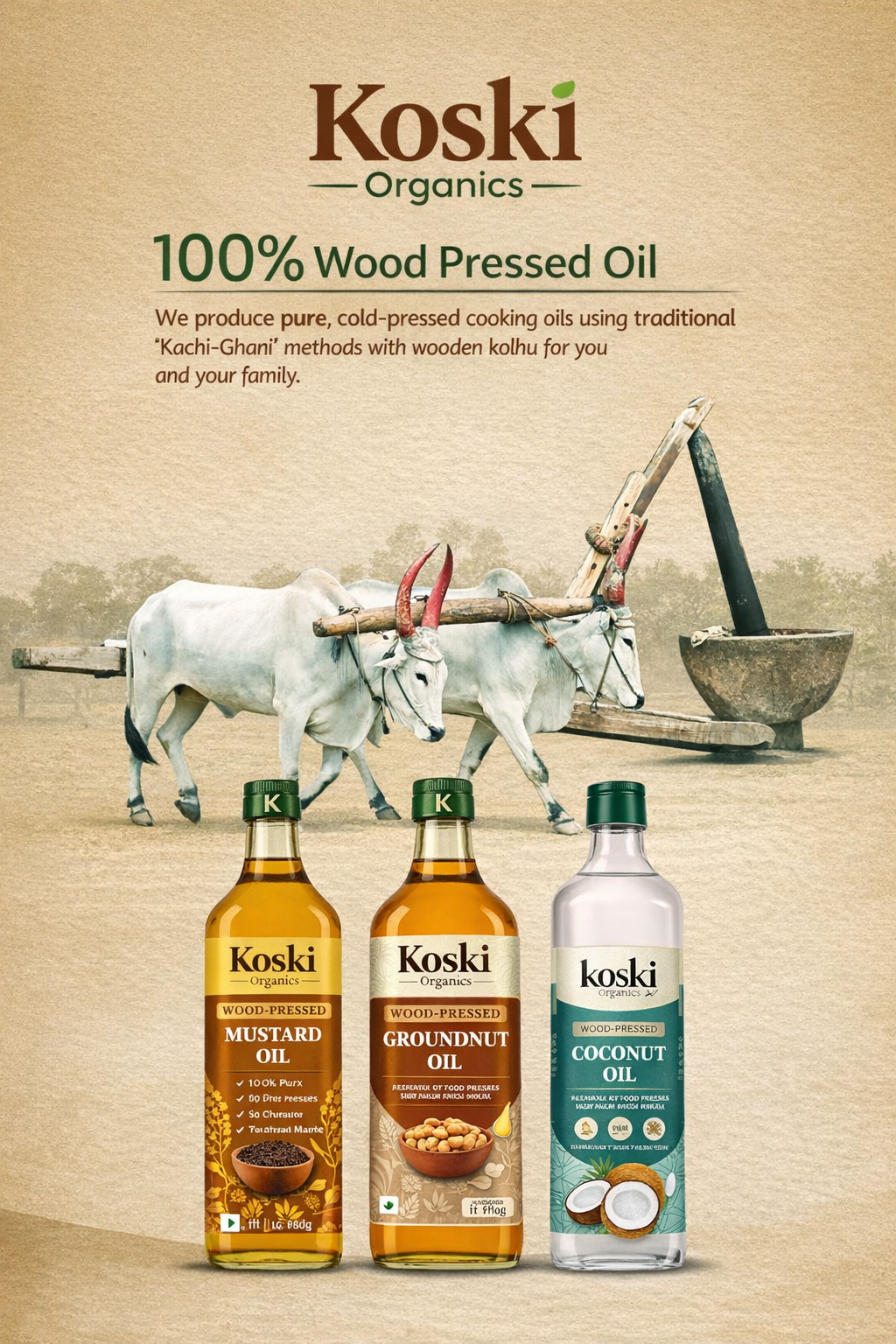
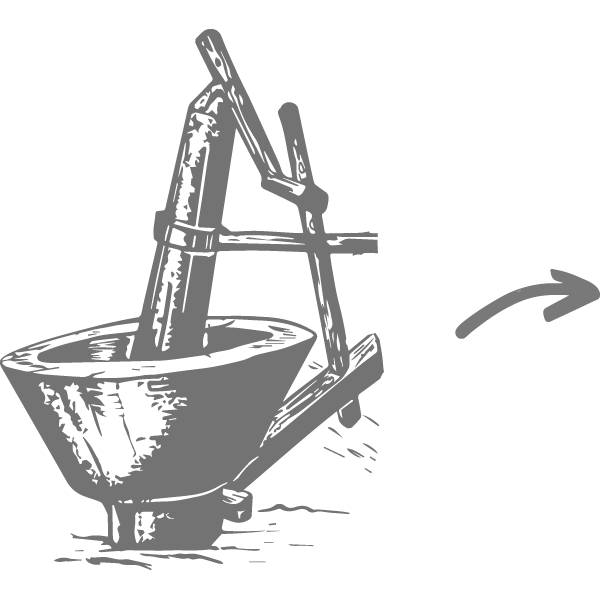
Koski Organics Cold Pressed Mustard Oil is extracted using traditional wood-press methods to preserve nutrients, purity, and natural flavor.
Key features include:
100% pure and natural
No chemicals or refining
Rich in omega fatty acids
Retains natural nutrients
Sourced from high-quality mustard seeds
Koski Organics ensures premium quality and traditional authenticity.
Conclusion
Cold pressed mustard oil is one of the healthiest cooking oils available today. It supports heart health, improves digestion, boosts immunity, and provides essential nutrients.
Key cold pressed mustard oil benefits include:
Supports heart health
Rich in antioxidants
Boosts immunity
Improves digestion
Supports skin and hair health
Chemical-free and pure
Choosing high-quality cold pressed mustard oil like Koski Organics ensures maximum health benefits and natural purity.