


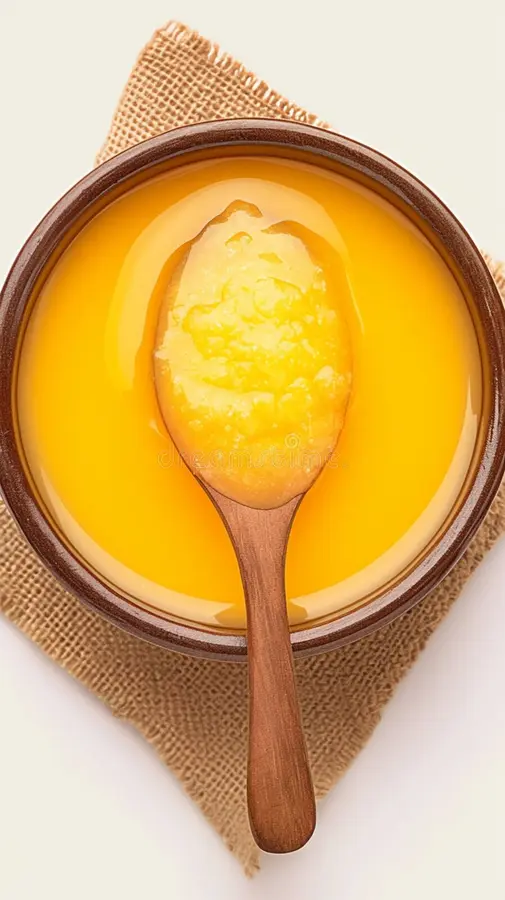
The Ultimate Guide to Ghee: Health Benefits, Uses, and How to Make It
How Ghee Is Made: The Process of Clarifying Butter
Making ghee is a simple yet magical process. Here's how it's done:
Start with Unsalted Butter: The best type of butter for making ghee is unsalted butter. You can use butter from cow's milk, buffalo's milk, or even goat's milk, depending on availability.
Melt the Butter: Place the butter in a saucepan and melt it over low heat. Let it simmer slowly.
Simmer and Separate: As the butter melts, the milk solids begin to separate and float to the top. These need to be skimmed off gently.
Strain the Ghee: Once the butter has simmered for a while and the milk solids have browned, strain the liquid to remove any remaining particles.
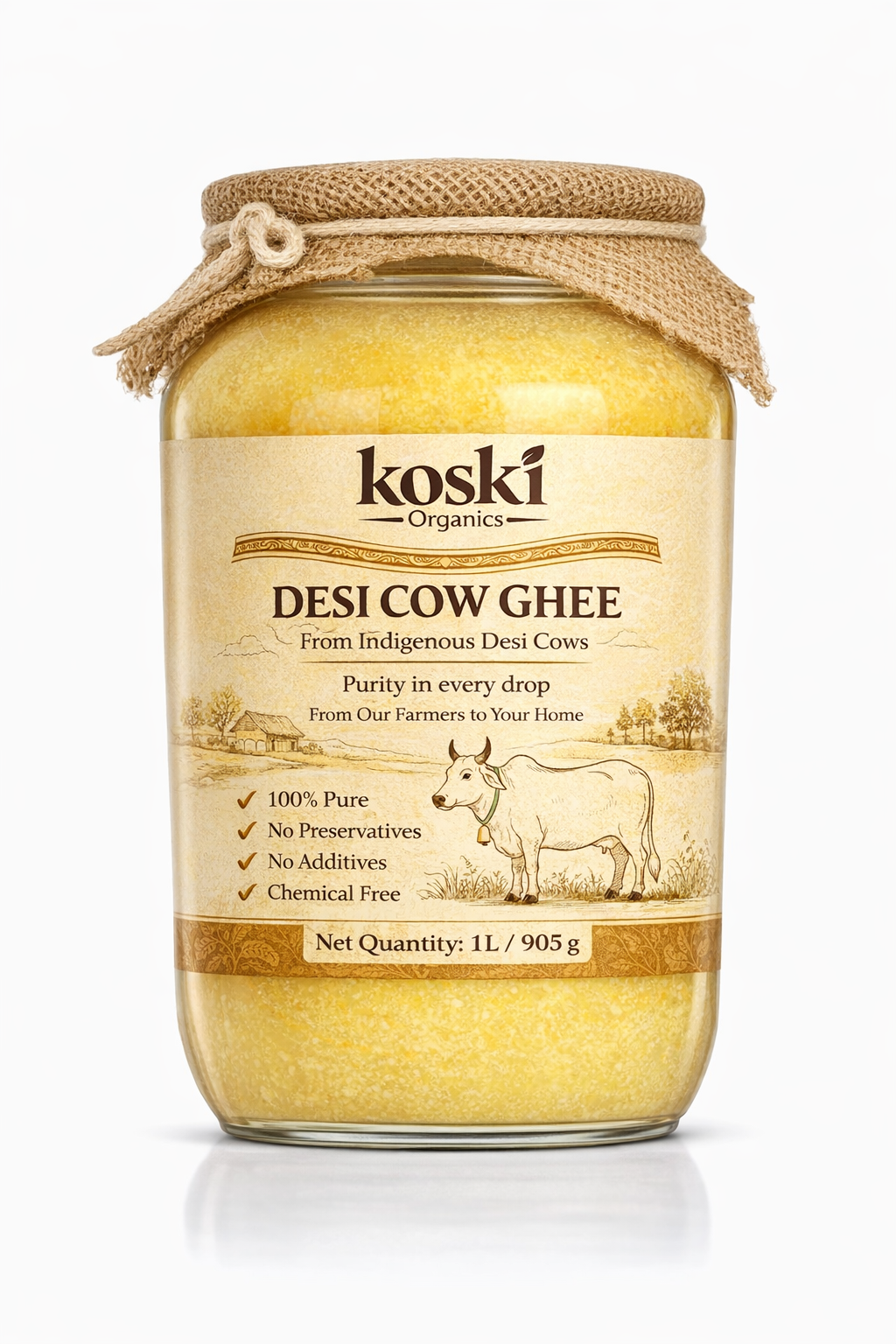
Store the Ghee: Once strained, your ghee is ready! Pour it into a clean jar, and allow it to cool before sealing.
This clarified butter can be stored at room temperature for several weeks without spoiling, thanks to its lack of moisture.
Nutritional Benefits of Ghee: Why You Should Add It to Your Diet
Ghee is packed with nutrients that can benefit your overall health. Here are some of the reasons why it’s a healthier fat choice:
High Smoke Point
Ghee has a very high smoke point (around 485°F or 250°C), which makes it perfect for cooking at high temperatures like sautéing, frying, and grilling without breaking down and releasing harmful compounds.
Rich in Butyrate
Butyrate, a short-chain fatty acid found in ghee, is linked to several health benefits, including improved gut health, reduced inflammation, and enhanced fat-burning.
Packed with Vitamins
Ghee contains fat-soluble vitamins like A, D, E, and K. These vitamins are important for maintaining healthy skin, bones, and immune function.
Lactose-Free
Since ghee is made by removing the milk solids, it’s lactose-free, making it a great option for those with lactose intolerance or sensitivity.
Health Benefits of Ghee: Why It’s Good for You
Ghee isn’t just a cooking fat—it has numerous health benefits, including:
Supports Digestion
In Ayurveda, ghee is believed to be a digestive aid. It helps lubricate the gut and improve the absorption of nutrients, making it especially helpful for people with digestive issues.
Reduces Inflammation
Thanks to its butyrate content, ghee has anti-inflammatory properties that can help reduce chronic inflammation in the body, supporting overall health.
Boosts Brain Health
The healthy fats in ghee support brain function and cognitive health. Butyrate may even help reduce the risk of neurodegenerative diseases.
Supports Heart Health
Contrary to the common belief that all fats are bad for the heart, ghee contains healthy fats that can help improve cholesterol levels, promoting a healthier cardiovascular system.
How to Use Ghee in Cooking: Versatility in the Kitchen
Ghee is incredibly versatile in the kitchen. Here’s how you can use it:
Cooking at High Temperatures
Ghee’s high smoke point makes it perfect for frying, sautéing, and roasting. Use it to cook vegetables, meats, or eggs, or to make crispy rice.
Baking with Ghee
You can use ghee as a substitute for butter in most baking recipes. It can give baked goods a rich flavor and a slightly nutty taste.
Adding Flavor to Dishes
Use ghee to add extra flavor to dishes like dal, soups, or stews. Just a spoonful stirred in at the end can elevate the dish.
Traditional Dishes
Ghee is the foundation of many traditional Indian dishes. It’s used in recipes like ghee rice, gajar ka halwa, and laddu (a popular sweet).
Ghee and Ayurvedic Medicine: Ancient Healing Benefits
In Ayurveda, ghee is considered a "superfood." It’s believed to balance the body’s energies (doshas) and promote overall well-being. Here are a few Ayurvedic practices using ghee:
Oil Pulling
Ghee can be used for oil pulling, an ancient practice of swishing oil in the mouth to detoxify the body and improve oral health.
Detoxification and Rejuvenation
In Ayurvedic medicine, ghee is often used in detoxification treatments like panchakarma, where it helps purify the body and rejuvenate the tissues.
Skin and Hair Health
Ghee can also be used externally as a moisturizer for the skin and a treatment for dry hair or scalp conditions.
How to Store Ghee: Keeping It Fresh
Ghee is shelf-stable and doesn’t require refrigeration, but it should be stored properly to preserve its flavor and health benefits. Here are some tips:
Room Temperature Storage: Ghee can be kept at room temperature for several weeks, but make sure the container is airtight and the ghee is stored in a cool, dry place.
Refrigeration: If you don’t plan on using it quickly, ghee can be kept in the fridge for up to several months.
Ghee Recipes to Try
Here are some easy and delicious ways to incorporate ghee into your meals:
Homemade Ghee
Making ghee at home is simple. Just follow the process mentioned above, and you'll have fresh, high-quality ghee in no time.
Ghee-Roasted Vegetables
Toss your favorite veggies (like carrots, sweet potatoes, and cauliflower) with melted ghee and roast them in the oven for a flavorful side dish.
Ghee Popcorn
Popcorn made with ghee is incredibly tasty. Simply melt ghee and pour it over the popcorn, then sprinkle with a little sea salt for the perfect snack.